Ready to get started with your solar energy system?
Awesome, so are we.

Pricing Information
↴
GET A FREE
SOLAR QUOTE
We look forward to hearing from you. Please leave your details below and we’ll get back to you very soon.

Electricity prices in Australia have more than doubled over the past two decades — and they’re still climbing as fossil fuels become more expensive and phased out.
Every year you wait, you’re paying more for energy that gives nothing back.
Installing solar flips that equation. Instead of your money disappearing into power bills, it goes into an asset that immediately starts generating returns.
From the day your system is switched on, you’re producing your own electricity, cutting bills and alleviating strain on the environment — and after the upfront cost is recovered, your solar system is effectively making you money for decades to come.
Solar Savings
The average NSW household spends $1,800
a year on electricity & rising every year.
That’s $18,000+
over 10 years.
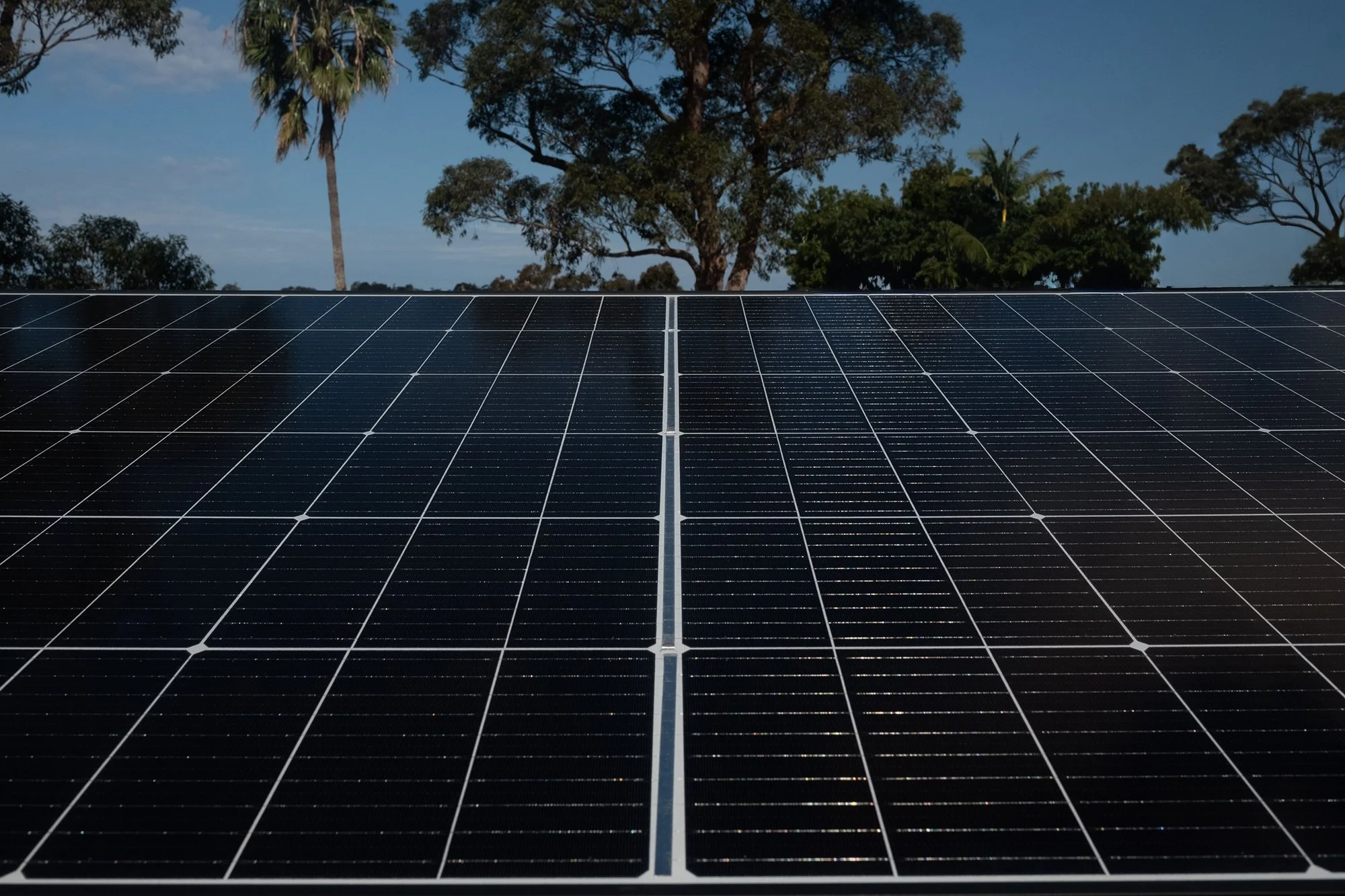
With system prices steady, power bills rising and generous rebates available,
going solar now is one of the best decisions you can make for your household and community.
Typical Solar Panel System Sizes & Prices
System Size
6.6kW
Ideal for small–medium homes
Approx. Cost
$5,000 – $6,500
Annual Savings
$1,200 – $1,800
System Size
10kW
Ideal for larger families/high daytime use
Approx. Cost
$7,500 – $9,500
Annual Savings
$2,000 – $2,800
System Size
13kW+
Ideal for energy-hungry homes/battery-ready
Approx. Cost
$10,000 – $12,000
Annual Savings
$3,000 – $3,800
(Costs shown after STC rebate – a government discount applied to eligible solar systems)
*Savings vary based on household use and energy rates.
When it comes to solar panels, bigger is almost always better. The more panels you install, the more energy your system can produce, and the more of your home’s power needs you can cover throughout the year. Filling your usable roof space is the smartest way to future-proof your investment. Every extra panel means less electricity you’ll have to buy from the grid. It also means more solar available to run appliances during the day, charge your EV or top up a battery for night use. If you don’t have the budget for battery storage yet, generating as much solar as possible puts you in the best position to add one later.
We install high-quality panels from trusted Australian brands, backed by leading warranties, for reliable performance and longevity.

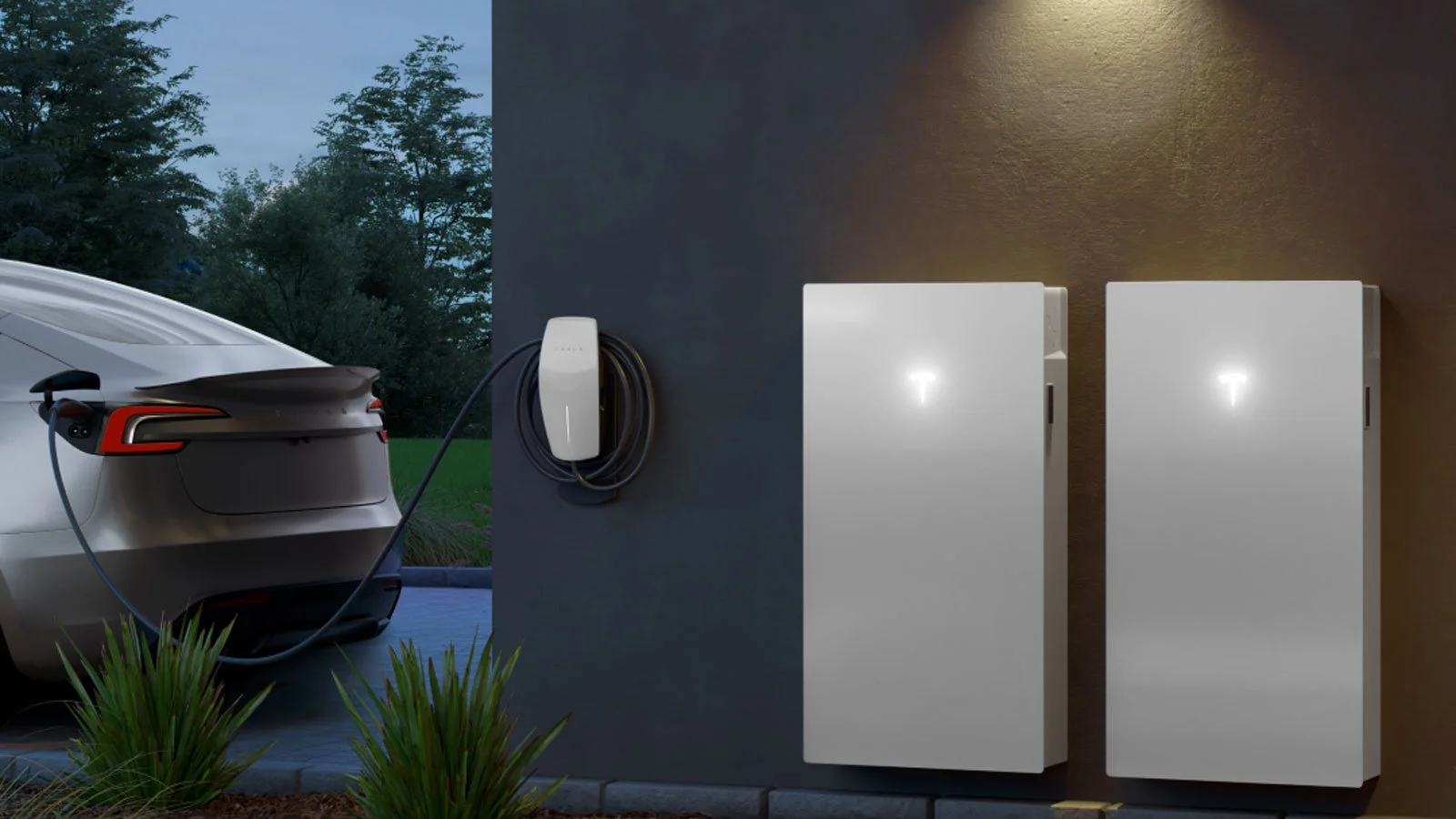
A home battery lets you store the solar energy you generate during the day and use it at night, reducing your reliance on the grid. It provides backup power during blackouts and helps you make the most of your solar system by increasing self-consumption. With a battery, you can cut electricity bills even further and gain more control over your household energy.
Typical Battery System Sizes & Prices

Battery Size
5kW
Ideal for small homes/partial night time backup
Approx. Cost
$6,500 – $7,500
Daily Coverage
30–40% of night time use

Battery Size
10kW
Ideal for average home/most night time needs
Approx. Cost
$9,500 – $11,000
Daily Coverage
60% of night time use
Battery Size
13-15kW
Ideal for large homes/full night time coverage
Approx. Cost
$12,000 – $15,000
Daily Coverage
80–100% of night time use
*Costs after Cheaper Home Batteries Program rebate (~30%)
CURRENT INCENTIVES & REBATES
Small-Scale Renewable Energy Scheme (SRES)
The Australian Government’s Small-Scale Renewable Energy Scheme provides an upfront discount on the cost of your solar system through Small-Scale Technology Certificates (STCs). Think of STCs as a built-in rebate — the more energy your system is expected to generate between now and 2030, the more certificates (and savings) you receive.
When you install a solar system with us, we handle all the paperwork and apply the value of your STCs directly to your quote, so you get the discount instantly — no waiting around for a rebate.
Cheaper Home Batteries Program
The Australian Government’s Cheaper Home Batteries Program helps households, businesses and community organisations reduce electricity bills by storing solar energy for when it’s needed. Since 1 July 2025, eligible batteries now receive a discount of around 30% off the upfront cost.
The program not only makes battery storage more accessible but also helps lower electricity costs for everyone by reducing peak demand and supporting a more stable grid. It sets clear responsibilities for retailers, installers and consumers to ensure batteries are installed safely, legally and for long-term use. When you install a battery with us, we handle the process through the SRES so the discount is applied directly, making it simple to add a high-quality battery to your solar system.
NSW Virtual Power Plant (VPP) Incentive
The NSW Government’s Virtual Power Plant (VPP) program encourages households to connect an eligible battery to a shared network of batteries, or ‘virtual power plant’. Participating homes can receive upfront payments for joining the program, as well as ongoing credits when stored energy is used to support the grid during peak demand. Joining a VPP lets you make the most of your solar and battery system by storing excess energy and sharing it when it’s needed most. This not only reduces your electricity bills but also helps stabilise the grid, lowering costs for all electricity users. The program also sets clear guidelines for retailers, installers and consumers, ensuring your battery is installed safely, legally and for long-term use.
We take care of the entire setup, making it simple for you to participate and benefit from your battery while supporting cleaner, smarter energy in NSW.
Solar Feed-in Tariffs (FiTs)
A feed-in tariff (FiT) is the credit you earn when your solar system generates more electricity than your home uses and sends the extra back to the grid. In NSW, most energy providers pay between 5–10 c/kWh for exported solar power, depending on your location and retailer.
At Kiama Electrical & Solar, we always encourage homeowners to use as much of their own solar power as possible during the day, because that’s when electricity from the grid is most expensive. But any surplus you export still earns you credits through a FiT, so your system continues to save you money even when your home isn’t using all the energy it produces. A good FiT, combined with smart energy use, ensures your solar system is working as hard as possible for your household, helping you reduce bills and get the best return on your investment.
Solar for Apartment Residents Grants (NSW)
The Solar for Apartment Residents program helps apartment buildings and multi-unit dwellings access clean, affordable solar energy. Building owners corporations or strata managers can apply for funding to install a shared solar PV system for the building. The grant covers up to 50% of the system cost, with a maximum of $150,000 per project, and a total of $25 million in funding is available. Applications close 5 pm, 30 March 2026, or earlier if the funds are fully allocated.
This program, administered by the NSW Government with support from the Australian Government, makes it easier for apartment residents to enjoy the benefits of solar energy, reduce electricity bills and contribute to a cleaner, more sustainable community.
Solar Financing Options
If upfront costs are a concern, there are low-interest and government-backed loans available to help NSW households install solar and batteries. Some of these include:
Westpac Sustainable Upgrades Home Loan – Variable rates from around 4.5% for energy-efficient home improvements.
CEFC Green Loans – Partnered with banks to provide discounted green loans for solar and battery installations.
Other green loans – Some banks and lenders offer competitive rates specifically for renewable energy upgrades.
These loans can make going solar more manageable by spreading the cost over several years while you still enjoy immediate savings on your electricity bills.